
Filtering Every Drop: What Changes When You Treat All Your Water
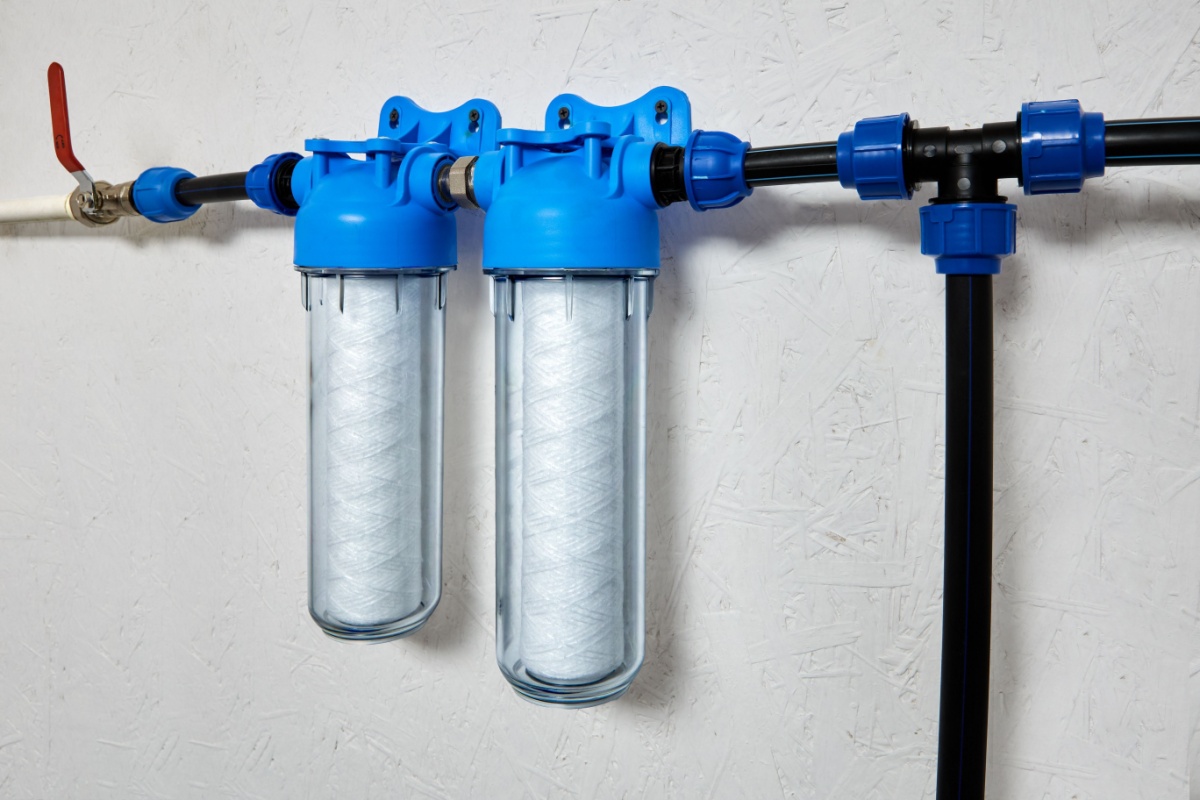
Installing a filter under the kitchen sink is a common occurrence, as many do it for better tasting drinking water. But what about when every drop of water that enters your house is treated? This is a different choice and one that most don’t realize how much it changes things until they do it.
The difference is seen in places you wouldn’t expect, not just drinking and cooking, but what’s going through your washing machine, what’s hitting your skin in the shower, what’s going through every pipe behind your walls.
What is Filtered
A whole house system filters everything from a source upon entry before it’s diverted to various fixtures and appliances. It eliminates chlorine, sediment and depending on the type, additional materials and contaminants, excluding the source itself.
The main one people care about is chlorine. Cities use this to kill bacteria in transport which makes sense for public health purposes, but once the water is in the house, it need no longer be there. It dries out skin and hair, affects how soap and shampoo work, and unfortunately gives some areas water that distinct smell of a public swimming pool.
Sediment from old pipes. Those little pieces of rust, dirt and debris that end up in water lines are filtered out before they build up in your water heater or clog the aerators on your fixtures. While this happens over time, it happens.
And hard water minerals. These are specific to systems, though. Some filter hardness while some do not. It depends on whether it’s water softening or hardening or if it has a certain kind of filter for removal. Therefore be sure what you’re getting before installing.
How Showers are Different
People feel it most when they shower. Water feels different on the skin without chlorine—it dries less, it irritates those who are sensitive to it less. Soap and shampoo work better since hard water doesn’t leave that tacky feel behind from any minerals.
When a whole house water filtration system is installed, these benefits happen at every tap/faucet and not just one. The water hitting your skin in the shower is the same as what you’d drink if you got it from a filtered kitchen spout.
Similarly, hair appreciates it. Without minerals coating each piece, it feels softer and looks shinier than usual. Those who’ve fought dull hair find that the problem hasn’t been their product all along.
Skin appreciates a reduction of chlorine too. Skin rashes like eczema and dry patches are common issues when everyone exposes themselves to chlorine too frequently; while not always guaranteed to be fixed since skin has many causes for problems, the chlorine part gets kicked out.
Shower glass and tile appreciate it too. Those pesky water spots and cloudy build up happen far less when minerals and chemicals aren’t constantly deposited on surfaces via pipes for showers. Less scrubbing works with fewer harsh chemical cleaners.
What Happens to Your Appliances
Water heaters appreciate not having to heat up constantly without running from minerals. When hard water gets heated up, scale is created which coats the heating elements and accumulates at the bottom of any tank style heater. Heating elements prefer when there’s no scale as this results in energy efficiency (and less replacement).
Washing machines prefer treated waters in addition to dishwashers. Detergent actually works better so clothes come out cleaner without that film residue on dishes—so additional product isn’t needed. Additionally, pumping components and heating elements inside these machines do not build up in the same way.
Coffee makers, kettles and other small appliances appreciate even more; they get white crusty deposits inside when hard water builds up. They appreciate efficiency by heating up faster without having to combat prior deposits.
Protective Measures for Plumbing
Pipes appreciate the better quality of water even if it’s unseeable. Gradual mineral buildup that decreases the diameter of piping and ultimately pressure throughout the home happens much slower—but sometimes, this stop altogether once minerals are removed.
Aggressive water (water that’s corrosive) penetrates pipes because of its acidic properties; this decreases over time. Sediment that creates holes where bacteria grows gets filtered out before they’re able to do damage.
This happens more so with older plumbing however; newer homes may not see differences for years down the line either way but older plumbing under stress for decades can truly benefit from this filtration process.
The Maintenance Involved
When you treat all of your water, you must maintain a filtration system. This means changing out filters—while dependent upon water quality and usage, it’s usually done every 3-6 months or up to a year depending on smaller systems or appliances as well.
The good news? You have appliances needing less maintenance. The requirement to flush out the water heater exists still but there is less sediment to use (if any at all), faucet aerators do not clog as quickly and showerheads maintain their spray pattern longer.
The good news? More attention is given to your filtration system than downstream parts to which you supply decent quality.
Cost Benefit Analysis Comes Into Play
The installation is something you’ll have to pay for; a good filtration system with appropriate plumbing services runs thousands—depending on the type of filtration, size of home and what needs attention.
But then consider the other side of the equation; replacement of water heaters every 12-15 years now instead of 8-10 years (if older models). Washing machines and dishwashers make it past their estimated lifespan. Energy bills decline as nothing has to fight through scale development to accomplish whatever it needs to accomplish. Soap/shampoo cleaning products work better in treated waters so less spending happens.
But this isn’t immediate; it’s compounded over time as long as you live in the house—in addition, some find such lifestyle improvements like better showers, cleaner dishes/laundry, softer textiles worth it despite financial payback breakeven.
When It Makes Sense to Implement
Homes with significant issues make the most impact by treating entire waters; if you’re dealing with tons of chlorine smell in addition with visible contaminants like sediment everywhere or all surfaces are stained by hard water or appliances are dying premature deaths, it’s worth the investment because it’s solving many problems at once.
For moderate quality problems, however, it comes down to priorities; skin problems, how long someone is going to stay in their home or their replacements schedule.
Some people make it part of their initial move-in set-up (like disinfecting all spaces) while others want to see problems prevalent enough first to justify an investment.
Therefore it becomes irrelevant whether or not filtered water is better because it obviously is—it comes down to whether it’s worth filtering them all for specific homes, quality problems, and financials. When you treat everything with quality water, everything that comes in contact with water functions better and lasts longer. Whether that’s worth the upfront cost depends on how much it matters for your family.