How to Clean Your Water Tank Fast and Easy
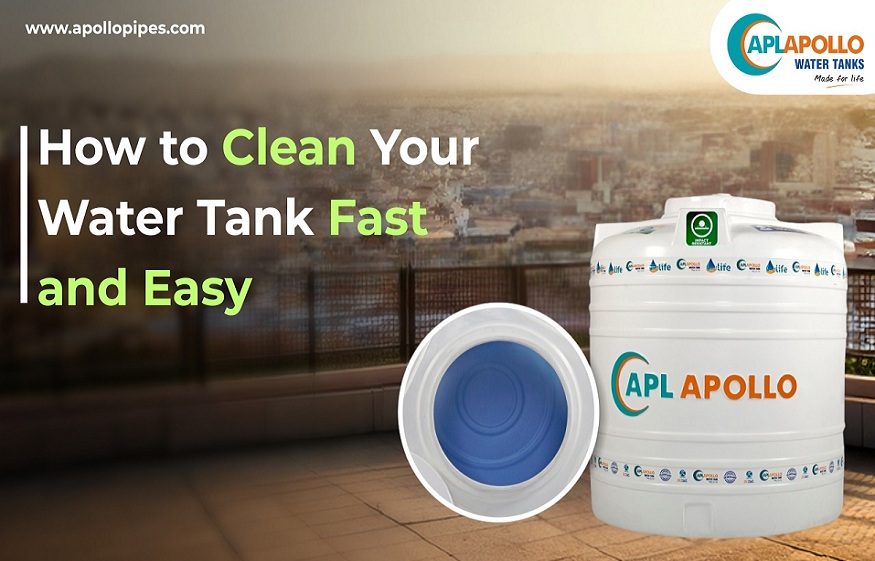
A water tank is an important part of every home. It stores water that we use for drinking, cooking and bathing. With the passage of time, dust and bacteria can get accumulated on the inner side of the tank. If the tank is not cleaned appropriately, the water quality becomes poor and may even be harmful for your health. So, proper cleaning of your water tank is very important. Here we will let you know how to clean your water tank fast and easily and it can be doneby following the right steps.
- Turning off the Water Supply
First of all water supply should be turned off as it allows the tank to empty partially so that there is only a small amount of water left at the bottom.This left water helps loosen the dirt which is settled at the base of the tank.
Read More: Home Improvement Mistakes That Cost You Twice: Getting Fasteners Right The First Time
- Drain the Tank
After emptying the water tank, you should drain the left water. You should use a pipe outlet to remove the remaining water. It is to be ensured that all the water is removed so that you can clearly see the inside surface of the tank.
- Scrub the Inner Walls
Now, use a brush to clean the inner walls of the water tank. Dirt can be removed easily with the help of brush.Harsh chemicals should not be usedbecause these can place harmful remains inside the tank.
- Wash with Clean Water
When the cleaning of the surface is completed, you should wash the water tank with clean water. You should also flow water inside the tank and wash the walls to eliminate any loosened particles. Now, repeat the rinsing process many times. It will ensure that the tank is completely clean.
- Cleanse The Tank
Now, disinfect the water tank as it is a main step to confirm that harmful bacteria are killed. You may use a mild disinfectant solution and spread it evenly in the inner surface. Now, you should rinse the tank completely with clean water.
- Check the Tank’s Lid
During the cleaning process of water tank, lid, inlet pipes and outlet connections need to be inspected. Close the lid tightly to prevent dust from entering the tank. Now check properly it there are any leakages in the pipes.
- Refill the Tank
When the tank is rinsed, you mayturn the water supply on and fill the water tank again. Let the first batch of water stream out through the tap for a few minutes. By doing so, any left particles will be wash out.
- Clean the Tank Regularly
For maintaining a hygienic water tank, it is good idea to clean it on regular basis. It is right to clean the tank every four to six months.Regular inspection also helps detect any problems early and checks major contamination.
APL Apollo’s Water Tank
APL Apollo water storage tanks are manufactured using the latest technology.These quality tanks are best for storing water.These water tanks are strong, reliable and designed to meet different water storage needs.
APL Apollo water tanks come in 3-layer, 4-layer and 5-layer designs. Each of these layers are made to provide the best performance for specific purposes. APL Apollo manufactures affordable, durable and capable water tanks that keep your water safe. UV-stabilised material is used in manufacturing these water tanks, which help to safeguard the tanks from the harmful effects of sun. Due to this, the tanks remain strong in tough weather conditions.
These tanks have high impact resistance as these tanks can handle accidental knocks easily.These are designed to perform well in different weather conditions and can easily withstand changing climates.
APL Apollo water tanks are also easy to install. With good water storage capacity, these water tanks help you to make the best use of your available space.
Read More: How To Properly Install SWR Drainage Pipes?
These water tanks are made from materials, which make them strong and long-lasting. Manufactured using food-grade materials, these water tanks stop the growth of bacteria which ensures that the water is clean.APL Apollo water storage tanks are one of the most trusted water tank manufacturers in India for over three decades.