
Kensington Rental Market Outlook: Emerging Trends for 2026
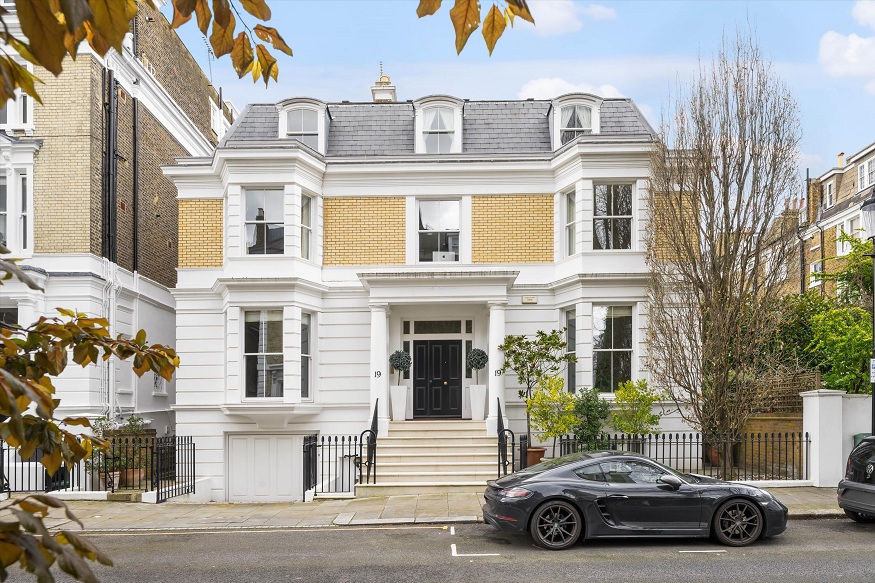
Kensington has always been the jewel in West London’s crown, but its rental market is currently undergoing a subtle yet profound transformation. As we look toward 2026, the landscape for both landlords and tenants is shifting, driven by a combination of legislative changes, evolving lifestyle preferences, and a renewed focus on sustainable living. Navigating these shifts requires the insight of seasoned letting agents in Kensington who understand the unique dynamics of the Royal Borough’s residential landscape.
The prestige of a W8 or SW7 postcode remains undiminished, but the reasons people are choosing to call this area home are changing. We are moving away from a period of post-pandemic correction and into a phase of quality over everything. For investors and property owners, the next eighteen months will be about adapting to a market that is increasingly sophisticated and demanding. This isn’t just about high ceilings and stucco fronts anymore; it’s about how a property functions in a digital, eco-conscious world.
A Neighbourhood in Transition: Setting the Scene for 2026
By the time we hit 2026, the Kensington rental market will likely have settled into a new rhythm. The frantic bidding wars seen in 2022 and 2023 have cooled, replaced by a more considered approach from tenants. However, supply remains the perennial thorn in the side of the London market. Kensington’s strict planning laws and protected heritage status mean that new stock is incredibly rare. This scarcity continues to underpin rental values, even when the wider economy feels a bit shaky.
What we are seeing now is a flight to quality. Tenants who might have previously settled for a slightly tired flat because of the location are now more discerning. They want homes that reflect their professional status and personal values. For landlords, this means the days of set it and forget it property management are over. To attract the best tenants in 2026, properties need to be finished to an impeccable standard, offering a blend of period charm and ultra-modern convenience.
The Green Revolution: EPCs and Retrofitting Period Properties
The elephant in the room for any Kensington property owner is energy efficiency. The UK government’s shifting stance on Minimum Energy Efficiency Standards (MEES) has kept many landlords on their toes. While the deadlines have moved, the market sentiment has not. By 2026, a property’s environmental footprint will be a major factor in its let-ability and its ultimate value.
Balancing Heritage with Modern Efficiency
Kensington is famous for its Victorian and Georgian architecture. These buildings are beautiful, but they are notoriously difficult to heat and insulate. We expect to see a surge in sympathetic retrofitting over the next two years. This involves installing slimline double glazing that mimics original sash windows, upgrading old boiler systems to heat pumps where feasible, and using breathable internal insulation.
Tenants in 2026—particularly the younger demographic of high-earning professionals—are increasingly eco-conscious. They don’t just want lower utility bills; they want the peace of mind that comes with living in a sustainable home. Landlords who invest in these upgrades now will not only future-proof their investments against future legislation but will also command a significant premium in the rental market.
Who is Renting in Kensington? The 2026 Tenant Profile
The typical Kensington tenant is a bit of a myth, as the area attracts a diverse range of people. However, looking toward 2026, we can identify three primary groups that will dominate the market.
The Rise of the ‘Super-Prime’ Professional
We are seeing a shift in the corporate relocation market. While the traditional banker on a two-year stint still exists, we are seeing more tech entrepreneurs and creative directors looking for long-term rentals. These individuals often work from home at least part of the week, meaning the home office is no longer a luxury—it’s a prerequisite. A second bedroom that is actually large enough to house a desk and a sofa, rather than just a single bed, will be a key selling point.
International Students and Post-Graduates
With institutions like Imperial College London on the doorstep, the student market remains a massive driver for smaller units. By 2026, we expect to see even higher demand from international students who view Kensington as a safe, prestigious, and convenient base. These tenants often have significant budgets and are looking for modern, turnkey apartments with high-speed internet and inclusive billing options.
The ‘Lock-Up-and-Leave’ Tenant
Kensington has always been a favourite for international families and high-net-worth individuals who split their time between London and other global hubs. This demographic is looking for security and service. Managed blocks or properties with 24-hour porterage will continue to see the highest demand and the lowest void periods.
Read More: Top Premium Villas In Bangalore For Luxury Living
Navigating the Legislative Maze: What Landlords Must Know
The legal framework surrounding the UK rental sector is currently in a state of flux. The Renters’ Rights Bill is set to fundamentally change the relationship between landlord and tenant. By 2026, many of these changes will be bedded in, and landlords will need to be fully compliant with new regulations regarding tenancies and evictions.
The abolition of no-fault evictions is a significant change. While this provides more security for tenants, it also means that landlords must be more diligent in their tenant selection process. This is where the expertise of professional letting agents in Kensington becomes invaluable. Thorough referencing and a deep understanding of the local market are essential to ensure that the right tenant is placed in the right property from the outset.
The End of Fixed-Term Tenancies?
The move toward periodic tenancies will change how landlords plan their portfolios. It requires a more proactive approach to property management and tenant retention. If a tenant can leave at any point with two months’ notice, the incentive for the landlord to provide a high-quality living experience is even greater. Happy tenants stay longer, and in 2026, retention will be the key to maintaining healthy yields.
The Premium on Service: Why Management Matters More Than Ever
In the luxury rental market, the product isn’t just the flat; it’s the service that comes with it. We are seeing a trend where high-end rentals are starting to mirror the hospitality industry. If a tap leaks or the internet goes down, a tenant paying £1,000 a week expects it to be fixed immediately.
Landlords who choose to manage properties themselves may find the demands of 2026’s tenants overwhelming. Professional property management is becoming the standard rather than the exception. This includes everything from 24/7 emergency maintenance to digital portals where tenants can pay rent and report issues with a single click. In a competitive market, a reputation for being a good landlord or having a responsive management team can be a deciding factor for a prospective tenant.
Read More: Set The Mood: Creative Lighting Ideas For Every Corner Of Your Home
Market Resilience and Long-Term Yield Projections
While capital growth in Prime Central London (PCL) has been steadier compared to the explosive growth in outer boroughs over the last decade, Kensington remains a safe haven for capital. In 2026, we expect rental yields to remain stable, likely hovering between 3% and 4% for well-maintained properties.
However, the real value in Kensington has always been the long-term preservation of wealth. The area doesn’t suffer from the same volatility as newer luxury developments in areas like Nine Elms or Canary Wharf, where oversupply can lead to significant price fluctuations. Kensington’s charm is its history, and that is something you simply cannot build from scratch.
Investors should focus on properties with unique features—be it a private garden square access, a roof terrace, or particularly fine architectural details. These best-in-class assets will always outperform the broader market, regardless of the economic climate.
The Role of Technology in the 2026 Market
By 2026, the process of letting a property will be almost entirely digital. Virtual reality tours will be the standard for international tenants, allowing them to walk through a property from Dubai or New York before they even step foot in the UK. Smart home technology will also be a major draw. From smart thermostats that learn a tenant’s schedule to integrated security systems and high-speed fibre-optic broadband, the connected home is what the future tenant expects.
For landlords, data-driven insights will allow for more accurate pricing. Using AI-powered tools, letting agents in Kensington can now predict market trends with greater accuracy, ensuring that properties are priced correctly to minimise voids while maximising return.
Final Thoughts: Preparing for the Future
The Kensington rental market in 2026 will be a place of opportunity for those who are prepared to adapt. It is no longer enough to simply own a property in a prestigious area; you must be an active participant in the market, responding to the needs of a more sophisticated and eco-conscious tenant base.
Whether it’s upgrading the EPC rating of a Victorian conversion or navigating the complexities of the new Renters’ Rights Act, the key to success lies in preparation. The market is becoming more professionalised, and those who embrace this change will find that Kensington remains one of the most rewarding places in the world to own rental property.
As we move toward the middle of the decade, the focus remains clear: quality, sustainability, and service. If you can provide those three things, your place in the Kensington market is secure. The allure of the Royal Borough isn’t going anywhere; it’s just getting a modern makeover.