Home Improvement Mistakes That Cost You Twice: Getting Fasteners Right the First Time
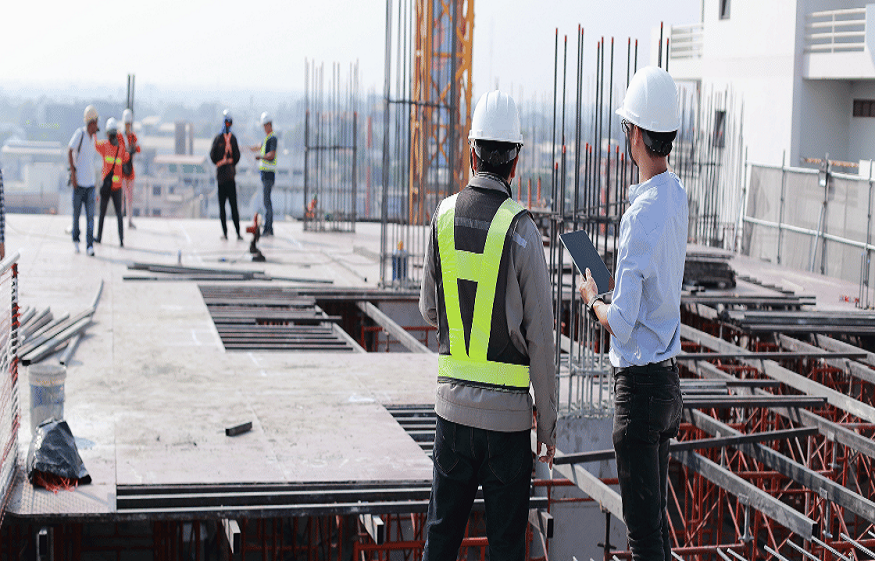
Walk into any hardware store and you’ll see the fastener aisle stretching forever. Dozens of options, all looking vaguely similar, with prices that range from pennies to several dollars per piece. Most homeowners grab whatever looks close enough and move on. Then six months later, they’re standing in front of a wobbly deck railing or a sagging pergola, wondering what went wrong.
The thing is, fasteners aren’t interchangeable. What works perfectly for one job will fail spectacularly in another. And the difference between success and failure often comes down to understanding a few basic principles about how things actually stay together.
The Real Cost of Cheap Fasteners
Here’s what typically happens. You’re building a deck or installing heavy shelving. The project already feels expensive with lumber prices where they are. So when you get to the fastener section, that $8 box of basic hardware looks a lot more appealing than the $25 box of heavy-duty bolts. You do the math and figure you’re saving $50 or more on fasteners alone.
Fast forward a few months. The connections start working loose. Maybe nothing catastrophic happens right away, but you notice movement where there shouldn’t be any. That deck railing shifts when you lean on it. The shelf brackets feel less solid. If you’re unlucky, something fails completely and you’re looking at repairs that cost way more than the original project.
The problem isn’t just the money you spent twice. It’s the time, the frustration, and the nagging worry about whether other parts of the project might fail too. Most people don’t factor in those costs when they’re trying to save twenty bucks at the register.
Why Some Projects Need Serious Hardware
Not every job requires industrial-strength fasteners. Hanging a picture frame? Basic hardware works fine. But once you get into structural work, outdoor projects, or anything that carries significant weight or stress, the stakes change completely.
Outdoor structures face weather, temperature swings, and constant movement. Wood expands and contracts. Metal corrodes. Connections experience forces from multiple directions. A fastener that seems solid on installation day might be completely inadequate after a season of real-world conditions.
Weight-bearing applications create their own challenges. A shelf that holds books exerts constant downward force on its mounting hardware. A deck supports not just people standing still, but movement, shifting weight, and occasionally someone jumping or running. The fasteners need to handle all of that without loosening over time.
Here’s the thing most DIYers miss: the fastener isn’t just holding two pieces together. It’s managing stress, distributing load, and maintaining clamping force against materials that move and change. Cheap hardware might create the initial connection, but it won’t maintain it when conditions get tough.
Understanding What Different Fasteners Actually Do
The fastener world breaks down into several categories, each designed for specific applications. Nails drive quickly and work great for sheathing and basic framing, but they’re terrible at resisting pull-out forces. Lag bolts bite deep into wood and can handle serious loads, but they need pre-drilling and proper sizing.
Then you’ve got standard bolts with nuts, which create mechanical connections that don’t rely on friction or threads biting into material. These distribute forces across both sides of the joint and can be tightened to specific torque values. For structural work, they’re often the right answer.
For projects requiring serious holding power and durability, many professionals turn to Hex Head Bolts because the six-sided head provides excellent grip for tightening tools and the full threading creates reliable connections. The hex design means you can apply more torque without stripping, which matters when you need joints that stay tight.
Carriage bolts offer a smooth, rounded head that sits flush and looks cleaner on finished projects. They’re popular for deck railings and outdoor furniture. Structural bolts meet specific engineering standards and get used in applications where failure could cause serious problems.
The key is matching the fastener type to what you’re actually asking it to do. A bolt that’s perfect for one application might be completely wrong for another, even if the sizes seem similar.
The Coating and Material Question
This is where a lot of home improvement projects go wrong. Someone buys fasteners based purely on size and price, without thinking about what they’re made from or how they’re protected. Then rust happens, or the fasteners corrode from contact with treated lumber, or they simply degrade faster than the materials they’re holding together.
Standard steel fasteners work fine indoors in dry conditions. But put them outside or anywhere moisture can reach them, and you’re on borrowed time. Galvanized coating provides basic protection and handles most outdoor applications reasonably well. Hot-dip galvanizing offers better coverage than electroplating, but both have their limits.
Stainless steel costs more but lasts indefinitely in most conditions. For coastal areas or anywhere with high humidity, it’s often worth the investment. The fasteners might be the last thing to wear out on your project.
Treated lumber creates its own issues. The chemicals that preserve the wood can react with certain metals, causing accelerated corrosion. You need fasteners specifically rated for treated lumber contact, or you’ll end up with rust stains and weakened connections.
The material choice matters just as much for load-bearing capacity. Higher-grade steel handles more stress before deforming or breaking. For critical applications, spending extra on quality fasteners isn’t optional – it’s the difference between a safe structure and a liability.
Common Projects That Need Better Hardware
Deck building ranks high on the list of projects where homeowners cut corners and regret it. The structure needs to support significant weight, handle weather exposure, and maintain safety for years. Using basic fasteners for deck ledger boards, joist connections, or railing posts creates genuine safety hazards.
Pergolas and arbors look decorative, but they catch wind and bear the weight of climbing plants. Those forces accumulate over time. What seems solid during construction can work loose within a single season if the fasteners aren’t up to the job.
Heavy-duty shelving in garages or workshops often gets built with whatever fasteners are handy. Then someone loads it with paint cans, tools, or storage bins, and suddenly you’re trusting basic hardware with hundreds of pounds. The shelving might not collapse immediately, but connections loosen and the whole thing becomes unstable.
Swing sets and play equipment absolutely require proper fasteners. Kids test every connection through constant movement and impact forces. There’s no room for failure here – either the fasteners hold up or someone gets hurt.
Fence posts experience surprising amounts of stress from wind, gate operation, and ground movement. Using adequate fasteners for the hardware and bracing makes the difference between a fence that lasts twenty years and one that needs repairs every couple of seasons.
How to Actually Choose the Right Fasteners
Start by honestly assessing what you’re building. Is this decorative or structural? Indoor or outdoor? Will it bear significant weight or experience movement and vibration? The answers determine your minimum requirements for fastener type, material, and coating.
Check local building codes for structural projects. Many jurisdictions specify exactly what types of fasteners must be used for decks, pergolas, and other outdoor structures. Following these requirements isn’t just about passing inspection – they’re based on engineering standards that prevent failures.
Consider the materials you’re joining. Wood-to-wood connections have different requirements than wood-to-metal or metal-to-metal. The fastener needs to work with both materials without causing damage or corrosion.
Think about access for future maintenance. Some connections need periodic tightening or inspection. Using fasteners that allow for this saves headaches down the road. Permanent connections that can never be adjusted or removed create problems when repairs become necessary.
Don’t mix and match randomly. Using different types of fasteners in the same project might seem fine, but dissimilar metals can create galvanic corrosion when they contact each other. Stick with compatible materials throughout.
The Installation Side of Things
Having the right fasteners matters, but only if you install them correctly. Pre-drilling prevents wood from splitting and ensures the fastener seats properly. Skipping this step with larger bolts almost guarantees problems.
Torque matters more than most people realize. Under-tightening leaves connections loose and prone to movement. Over-tightening can strip threads, crush wood fibers, or snap the fastener entirely. For critical applications, using a torque wrench ensures consistent, appropriate tightness.
Washers distribute clamping force and prevent fasteners from pulling through softer materials. They’re not optional add-ons – they’re part of the proper installation method for most bolt applications.
Proper spacing and edge distances prevent splitting and ensure the connection develops its full strength. Too close to an edge and the wood might split immediately or fail under load. Too far apart and you’re not effectively transferring forces between the joined pieces.
When to Call It and Start Over
Sometimes a project goes wrong despite your best efforts. The question becomes whether to patch it up or rebuild it properly. If connections are loosening, fasteners are corroding, or you’re seeing cracks and splitting around hardware locations, you’ve probably got fundamental problems.
Trying to fix inadequate fasteners by adding more of the same rarely works. The underlying issue is that the hardware isn’t appropriate for the application. Adding quantity doesn’t solve quality problems.
Structural movement is a major red flag. If a deck, railing, or support structure shifts or flexes more than it should, don’t wait for complete failure. The cost of rebuilding now is far less than dealing with injuries or property damage later.
Visible corrosion or rust on fasteners means you’re on borrowed time. Even if connections still feel tight, the fasteners are degrading and will eventually fail. Better to replace them proactively than wait for something to give way.
The Bottom Line on Fastener Choices
Most home improvement failures don’t happen because someone lacked skill or effort. They happen because of small decisions that seemed reasonable at the time – like choosing fasteners based purely on price or what was easiest to grab at the store.
The money you save by using basic hardware rarely justifies the hassle of redoing work. More importantly, inadequate fasteners create safety risks that aren’t worth any amount of savings. Building things right the first time means understanding what your project actually requires and choosing hardware that meets those needs.
Good fasteners aren’t glamorous. Nobody shows off the bolts when they finish a deck project. But six years down the road when everything still feels solid and you haven’t spent a weekend making repairs, you’ll appreciate having done it properly from the start.