How Long Does Crawl Space Encapsulation Last?
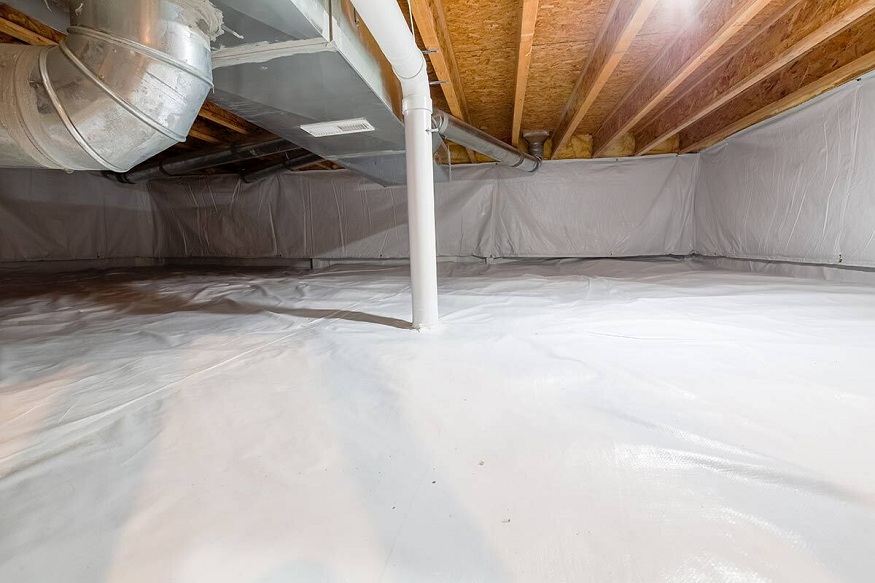
Most homeowners view crawl space encapsulation as a “once-and-done” project. While it’s true that sealing your foundation offers long-term protection against humidity and rot, nothing lasts forever. Generally, a professional system lasts between 15 and 25 years. This lifespan depends heavily on the quality of materials used and the effort put into regular maintenance.
If you’re investing in crawlspace encapsulation Charlotte NC, you likely want to know if the system will hold up against the humid North Carolina climate over the next two decades.
Material Quality: Why the Liner Matters
The most visible part of the system is the vapor barrier covering the floor and walls. Not all plastic is created equal, and the thickness of the material is the primary factor in how long it survives.
- Standard 6-mil Liners: These are often found in big-box hardware stores. They are thin, prone to tearing, and rarely last more than 5 to 7 years.
- Professional 12 to 20-mil Liners: A professional crawl space vapor barrier installation Charlotte NC utilizes reinforced polyethylene. These liners are much tougher. They can withstand the weight of a person crawling over them for future plumbing or electrical repairs without puncturing.
- Reinforced Scrim: High-end liners include a polyester mesh (scrim) between layers of plastic. This prevents small tears from spreading, effectively extending the barrier’s life by decades.
The Human Factor in Installation
Even the best materials will fail if the installation is sloppy. If the tape peels off the wall or the fasteners pull out of the masonry, the system’s lifespan drops dramatically. This is why many homeowners look for the best crawl space encapsulation company Charlotte has to reach out to. A professional install ensures:
- Proper Wall Prep: Installers clean the foundation walls so the industrial-grade adhesive and tape actually stick.
- Mechanical Fastening: Professionals don’t just use tape; they use termination strips and masonry nails to pin the liner to the wall.
- Airtight Seams: Every overlap is sealed with waterproof seam tape, creating a continuous envelope that moisture cannot penetrate.
A poorly installed system often shows signs of failure—like sagging plastic or curling tape—within the first three years. A professional job, however, remains secure regardless of temperature swings.
Mechanical Components and Their Shelf Life
Encapsulation is a system, and like any system with moving parts, some components will need replacing sooner than the plastic liner. While the vapor barrier might stay intact for 25 years, the mechanical hardware has a different timeline.
- Dehumidifiers: The heart of crawl space moisture control is the dehumidifier. On average, these units last between 8 and 12 years. Because they work in a difficult environment, they require annual filter changes to avoid burnout.
- Sump Pumps: If your project involves crawl space waterproofing & encapsulation to manage groundwater, you’ll likely have a sump pump. These generally need replacement every 7 to 10 years.
- Condensate Pumps: These smaller pumps move water from the dehumidifier to the outside. They are inexpensive but are a common fail point every 4 to 6 years.
If the dehumidifier fails and goes unnoticed, the humidity in the “sealed” space will rise, potentially allowing mold to form on the underside of the plastic or on the floor joists.
The Role of Proper Insulation
Older homes often have sagging fiberglass insulation that holds onto moisture like a sponge. When you encapsulate, this old material has to go. Many homeowners consult with crawl space insulation contractors Charlotte to switch to modern alternatives.
- Rigid Foam Board: This is moisture-resistant and lasts as long as the house itself.
- Closed-Cell Spray Foam: This provides an airtight seal and adds structural strength to the rim joist area.
Choosing durable insulation ensures that your thermal barrier doesn’t degrade and fall onto your new vapor barrier, which can cause physical damage over time.
Signs Your System Needs Attention
To get the full 25 years out of your investment, you should perform a quick visual check twice a year. Keep an eye out for these red flags:
- Standing Water: If you see puddles on top of the white liner, you likely have a plumbing leak or a failed pump.
- Musty Odors: This is a sign that the humidity has spiked or the seal has been breached.
- Liner Sagging: If the plastic is pulling away from the foundation walls, the adhesive or fasteners are failing.
- Humidity Spikes: Use a remote hygrometer to monitor the space. If the humidity stays above 60% for more than a few days, your dehumidifier is likely struggling.
Final Thoughts
Think of crawl space encapsulation as a long-term protective shield for your home’s structure. While the upfront cost is significant, the return comes in the form of lower energy bills, better indoor air quality, and a foundation that stays dry for decades. As long as you choose heavy-duty materials and keep an eye on your dehumidifier, your encapsulated space will remain a clean, dry asset for the next 20 years or more.