How to Create an Effective Annual Home Inspection Checklist
Most homeowners don’t skip maintenance because they’re lazy – they skip it because there’s no system. Good intentions don’t catch a cracked weatherstrip or a fraying garage door cable. A structured annual checklist does. Think of it as a financial instrument as much as a maintenance tool: for every $1 spent on preventative home maintenance, homeowners save approximately $11 in future repair costs.
Start with the building envelope
The exterior is where small failures turn into large ones fastest, because it’s exposed to weather year-round.
Begin on the roof. Look for missing, curling, or granule-shedding shingles. Check the flashing around any penetrations – chimneys, vents, skylights. Even minor gaps in flashing channel water directly into the structure.
Move to the gutters. Clean debris twice a year if you have deciduous trees nearby. After cleaning, run water through each section and confirm it moves freely to the downspout. Where the downspout terminates matters. Water should divert at least three feet away from the foundation. If it’s not, add an extension. Foundation repairs are among the most expensive home repairs you’ll face, and the fix here costs next to nothing.
Read More: How Dumpster And Porta Potty Rentals In NJ Keep Job Sites And Events Clean And Efficient
Check the foundation itself for horizontal cracks, which indicate pressure from soil. Vertical cracks are usually less serious but still worth monitoring with a marked tape measurement so you know if they’re growing.
Mechanical entry points and safety systems
Energy efficiency and security meet at your doors and windows. Go outside and work through each exterior door. Give the weatherstripping a once-over and old trick. On a windy day, simply run your hand along the door’s edge – any draft is wasted cash. Replace worn, flattened, or cracked weatherstripping with foam tape or door sweeps. It’s a half-hour job and pays for itself on the next heating bill. Repeat this process with your windows. Inspect exterior sills every year. If the caulk is separating or powdery, scrape and re-caulk.
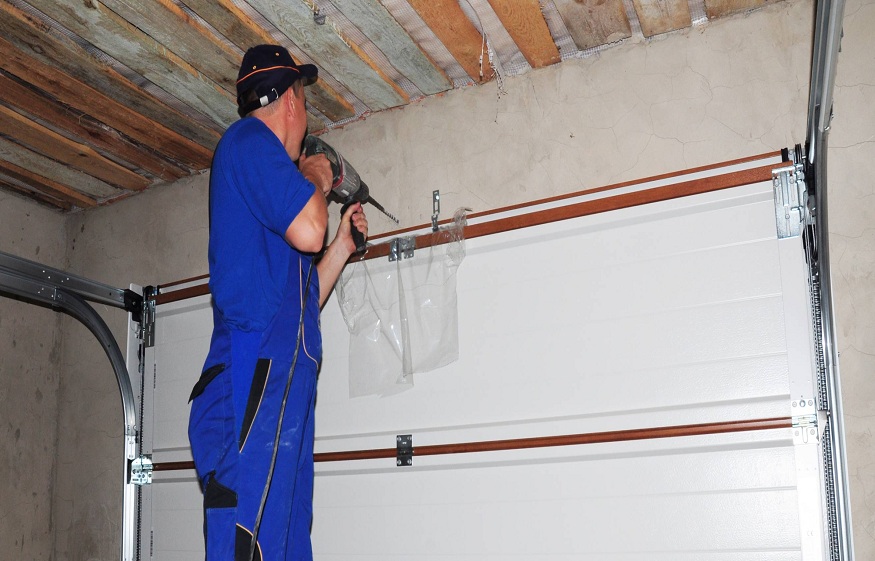
Garage doors have to be treated separately. They’re frequently the biggest moving mechanical item in a house and the most abused. Ensure the auto-reverse sensor is operating. Place a 2×4 flat in the door’s path and close it – should bounce off the wood. For your own safety, visually examine the cables for fraying and the torsion springs for wear. These are high-tension components – if a spring appears worn, don’t undertake repairs yourself. In the interest of safety, anything other than checking, lubricating, and minor cable adjustments should be handled by a professional for garage door repairs adelaide. A door that won’t shut isn’t just a money pit; it’s an invitation.
Read More: How Long Does Crawl Space Encapsulation Last?
Interior systems: plumbing, electrical, and HVAC
Go through the house systematically, room by room.
Beneath each sink, scout for those easy-to-miss slow drips around the P-trap and at the supply lines. A quiet, stealthy leak doesn’t announce itself for months on end. It merely destroys the cabinet and, eventually, the subfloor. Do the same check beneath the base of the toilet, where the slow failure of a wax ring will show as the flooring becoming soft.
The electrical panel deserves a once-over at least annually. You don’t need to do more than open the door and see if you can feel any breakers that are warmer than the rest, note any scorching on or around terminals, or recognize breakers that have tripped and been reset repeatedly. Any of those signs indicate it’s time to call a licensed electrician.
Most homes should have heating, ventilation, and air conditioning (HVAC) filters swapped out every 60 to 90 days under normal use, but the annual inspection is the time to also eyeball the coils for buildup and pour a gallon or so of hot water down the condensate drain to make sure it’s not blocked. A blocked drain will overflow and ruin walls, ceilings, and maybe even the contents of a room somewhere below it.
If you have a sump pump, the time to test it is when you’re doing the rest of your annuals; just pour a bucket of water into the pit and make sure the float triggers and the pump empties the water. One that doesn’t work will fail the next time it rains hard.
Document everything
An inspection that isn’t recorded didn’t happen – not in any way that helps you later.
Take dated photos of anything you note, whether it’s a patched gutter joint, a new crack in the foundation, or a replaced thermostat. Keep them in a folder organized by year. When you need to file an insurance claim, this history demonstrates maintenance diligence. When you sell, it tells the buyer the home has been managed, not just lived in.
Store receipts for any professional work alongside the photos. A documented maintenance record is a selling point that carries real weight.
The mindset shift that makes it stick
Think of the annual checkup like an oil change on your car; it’s a small cost up front that ends up saving big money down the line.
A home is the largest asset most people own. A two-hour walkthrough once a year, with a structured checklist, is the cheapest form of asset protection available. The alternative is reactive repair debt, and it’s almost always more expensive than whatever you were trying to avoid.