How to Prevent a Minor Plumbing Leak from Becoming a Major Disaster
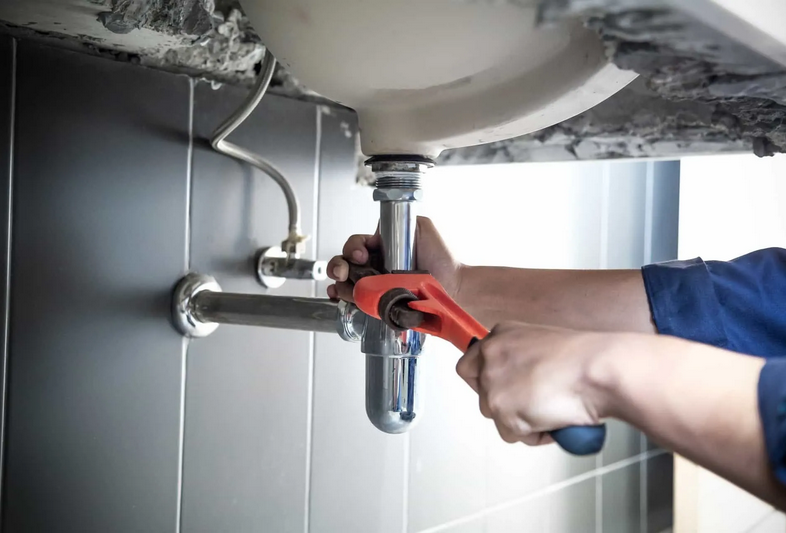
A leak can cause some serious damage to your home, especially if you don’t catch it in time. Instead of going about your day while ignoring the drip, here are 6 easy steps to take when you discover a leak in your home.
Find your shut-off valve before you need it
Every home has one main water shut-off valve, and typically, homeowners don’t know where it’s located until it’s too late and there’s water everywhere. Locate it now. It’s usually where the water line comes into the house, generally in the mechanical room, the basement, or sometimes under the kitchen sink. Once you find it, give it a twist. Just a quarter turn and then a quarter turn back just to make sure it’s not rusty and stuck cause you haven’t touched it in decades.
Read More: Best UPVC Windows in India: Expert Tips to Find the Right Option
In terms of home maintenance steps, this one’s a big deal. A leak that runs for sixty seconds while you hunt for the valve is no big deal. A leak that runs for twenty minutes while you search the basement, panic, and call someone for directions can destroy all the subflooring and half the drywall in the house.
The three signs of a leak you can’t see yet
Not all leaks make themselves known with a puddle. Some seep behind walls or pool under floors for days, weeks, or even months before the damage is finally discovered. By then, the cost of repairs could be in the thousands or tens of thousands. Repairs can entail tearing out and replacing flooring, cutting holes in walls to remove wet insulation, drywall, and electrical wiring, and replacing expensive fixtures.
Look for three things. One is a water bill that’s higher than usual, with no underlying reason such as a new appliance or constant houseguests. The sudden rise is often the only early warning you’ll get about a hidden leak. The sound of constantly running water when nobody is home is also a clue. Stand still and listen in a room far from any appliance. Water running through supply lines to an appliance is usually under a fair amount of pressure and should be audible from several feet away if the room is otherwise quiet.
Third, look for damp, warm spots on the floor, especially if over concrete slab floors and if they are isolated to a single area. The same is true for ceiling water stains. Finally, flooring that’s starting to warp or “cup” at the edges indicates it has been taking on moisture from below for some time.
Triage: minor drip or real emergency
Not every leak deserves a frantic 2 a.m. phone call, and treating every drip as a five-alarm fire wastes money on unnecessary emergency fees. Here’s a rule that actually works: if you can contain it and it isn’t getting worse, it can probably wait.
A dripping faucet, worn fixture washers, or a toilet tank that sweats condensation in summer are annoyances, not emergencies. Schedule those for a normal appointment.
A spraying supply line, a leaking water heater, or water actively pooling at the base of a wall is a different category entirely. Those need action right now, not a call-back next Tuesday. Supply lines on washing machines, toilets, and dishwashers are usually braided hoses with a 5 to 7 year practical lifespan, and when they fail, they don’t drip – they burst.
Know when to stop DIYing it
Let’s be clear: if you’ve turned off the water at its source and the leak is still flowing, or water is even in the vicinity of outlets, switches, or wiring, you need to stop any DIY efforts and contact a professional immediately. This is also the case with a water heater’s temperature and pressure relief valve – when this valve leaks, it’s a sign that there’s hazardous pressure accumulating in the tank, and that’s not something a homeowner should be handling.
This is exactly the kind of situation where calling for emergency plumbing services stops being an overreaction and becomes the smart move. Each hour that water is left standing, the cost of repairs goes up. It’s also going to give mold a potential head start, and that’s added damage that you certainly want to avoid. Water damage and freezing is the second most common insurance claim made by homeowners, and the average payout on an insurance claim is $10,849 (Insurance Information Institute). That number isn’t about the pipes, it’s about the hours and hours that the water is allowed to flow. If you do not require emergency professional help, here are some other tips.
Build a leak response kit
Store a small kit by your water heater with an adjustable wrench, Teflon tape, a rubber patch with a pipe clamp, and a bucket. None of this repairs a pipe for good, but it buys you time. A rubber patch and clamp can slow a burst supply line enough to end active flooding as you shut off the main and figure what’s next.
It’s simple, because simple works when you have water flowing into your home.
Replace the parts that fail first
The vast majority of leaks come from less than a half dozen pretty obvious places. The good news is that almost all could probably be prevented with cheap, scheduled replacement instead of waiting for failure.
Read More: Stylish Ceiling Design Ideas That Instantly Refresh Any Room
Swap washing machine supply hoses every five years regardless of how they look. Replace toilet flappers at the first sign of a slow drip rather than waiting for a full failure. During any routine maintenance, check pipe fittings for visible corrosion and address it before it becomes a pinhole leak. Keep household water pressure under 80 psi too – anything higher puts constant stress on pipes and joints, and it accelerates failures that would otherwise take years to show up.
The minutes are the whole game
Discovering an issue early on can save you a ton of money and a massive headache later. Repairs that are made when the problem is caught can be minimal compared to repair costs when the water has free rein. Fixing a leak, no matter how small, immediately saves you money on your water bill – and potentially the cost of a plumber to patch it.