The Green Table’s Longevity: Expert Tips for Maintaining Your Pool Table
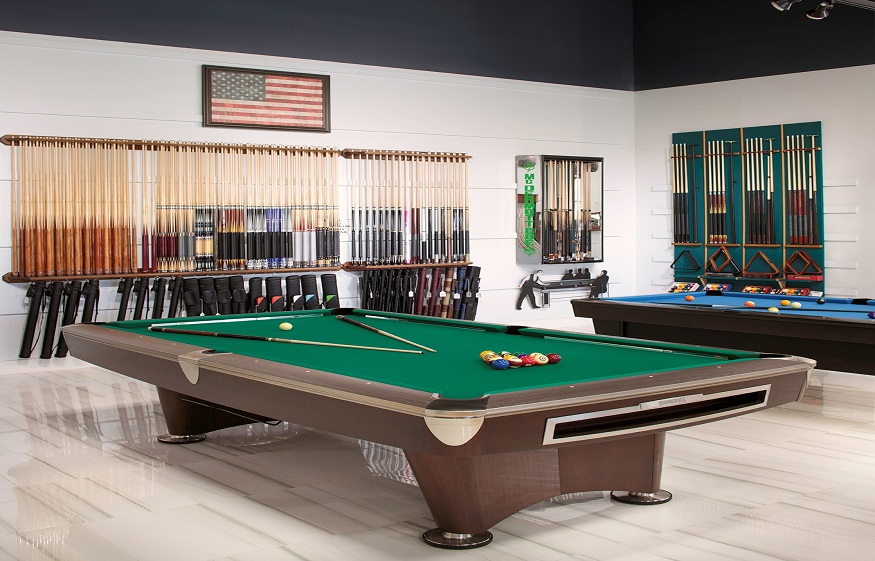
A pool table, often the centerpiece of a game room or leisure space, is more than just a piece of furniture; it is a finely tuned instrument of precision and enjoyment. Like any precision instrument, its long-term durability and playing quality are directly dependent on consistent, proper maintenance. Neglect can lead to warped wood, stretched felt, damaged slate, and ultimately, a compromised playing experience. Whether you own a professional-grade table or a recreational model, implementing a routine care regimen is essential to preserving its value, ensuring smooth gameplay, and extending its life for decades.
The key to maintaining Pool Tables for Sale in San Marcos lies in understanding its components and protecting them from their primary enemies: dust, moisture, and impact. A comprehensive maintenance plan addresses the cloth, the wooden frame and rails, the pockets, and the balls themselves. By treating each part with care, you can ensure the table remains a source of precise, high-quality play for years to come.
Protecting the Felt: The Surface of Play
The felt, or billiard cloth, is the most frequently touched and easily damaged component of the table. Its condition is paramount to the speed and accuracy of the balls. Improper cleaning is the number one cause of felt wear and tear.
The first rule of felt maintenance is consistency in cleaning. Dust, chalk particles, and lint settle into the fibers, creating friction that slows the balls and dulls the cloth. Use a specialized billiard brush with soft, natural bristles to gently sweep the felt after every few games, or at least once a week. Always brush in straight lines, moving from the head of the table toward the foot, following the natural nap of the cloth. Never use a circular motion, as this can damage the fibers.
For deeper cleaning, use a low-suction vacuum cleaner equipped with a soft brush attachment. Use the vacuum sparingly and gently, running it along the same linear paths as the brush. Never use a handheld vacuum or one with high suction, as this can stretch the cloth, damaging the slate bonding beneath.
Maintaining the Accessories: Balls, Pockets, and Cues
Table accessories must also be maintained, as their condition directly affects the felt and the quality of play.
Billiard Balls: Over time, billiard balls accumulate chalk, skin oils, and dust, which can transfer back to the felt. Dirty balls also fail to roll true. Clean your billiard balls regularly using a mild soap and water solution, or a specialized ball cleaner. Dry them completely before returning them to play. Heavily scratched or chipped balls should be replaced, as their uneven surfaces can damage the felt.
Pockets: The pockets, typically made of leather or plastic, require basic maintenance. Leather pockets should be treated with a leather conditioner periodically to prevent drying and cracking. Check the pocket fasteners regularly to ensure they are securely attached to the rails. If the pockets are integrated into a ball return system, regularly check the channels for debris or stuck balls that could obstruct the return.
Cues: Cues should be stored in a vertical rack or a dedicated cue case to prevent warping. Never lean a cue against a wall, as this can cause it to bow permanently. Keep the cue tips properly shaped and chalked, and wipe down the shaft after use to remove hand oils and grime.
Professional Service: The Final Touch
Even with meticulous home care, a pool table requires professional service periodically. The most common service is re-felting, which is typically needed every 5 to 10 years, depending on usage. Re-felting involves professional removal of the old cloth and stretching a new one, ensuring it is perfectly taut and wrinkle-free.
A professional technician should also be called for leveling. Tables settle over time, and even a slight change in floor condition or foundation can affect the level. A professional uses a precision leveling tool to shim the legs and ensure the playing surface is perfectly horizontal, a crucial step for maintaining true roll. Never attempt to level the table yourself, as the slate is extremely heavy and easily damaged.
By establishing a routine of gentle cleaning, environmental control, careful handling, and engaging in professional servicing when needed, you ensure that your pool table remains a prized piece of equipment, ready to deliver decades of precise and enjoyable play.