
A Guide to Financing and Acquiring High-Yield Flats for Sale in St John’s Wood
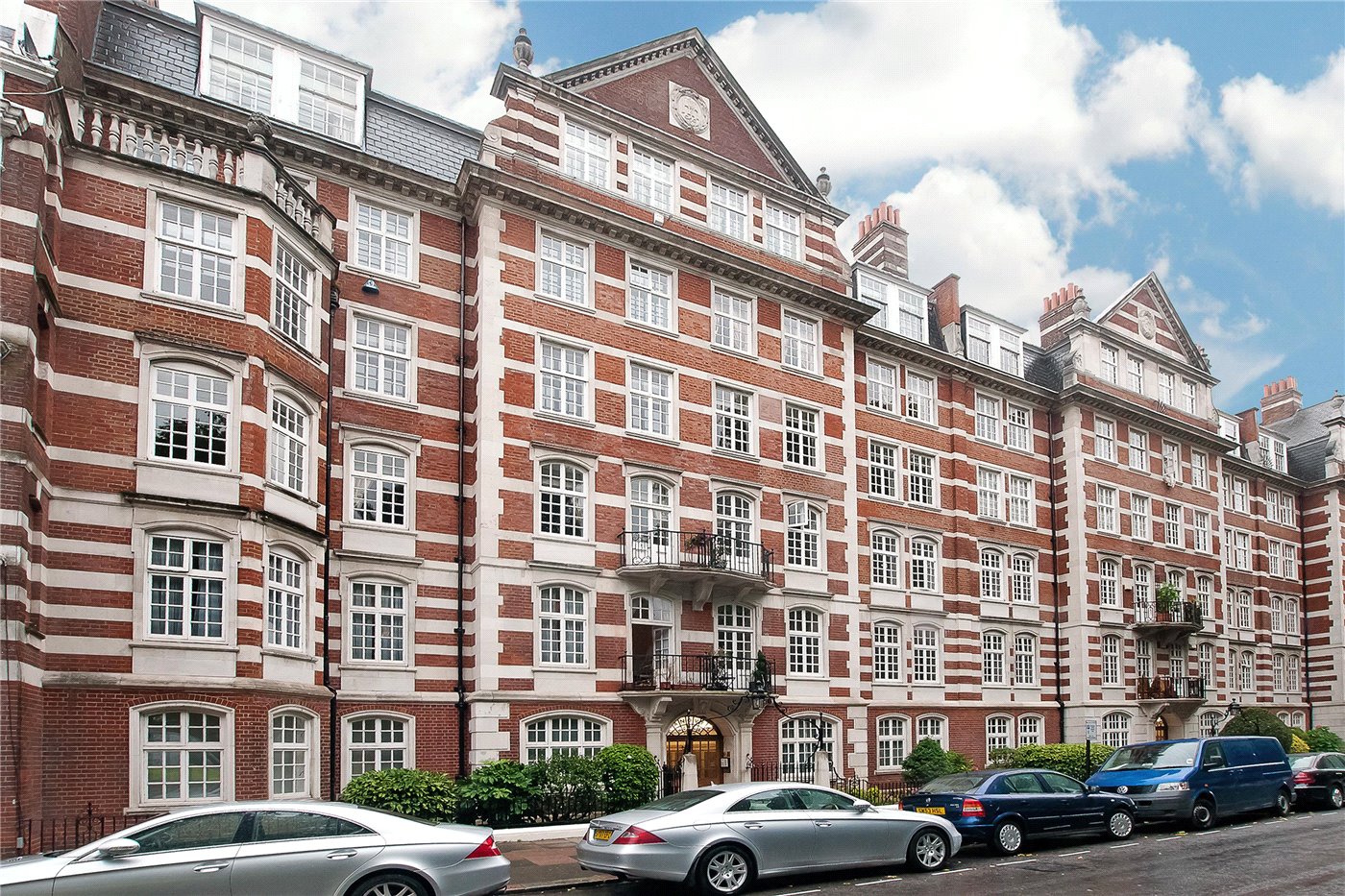
St John’s Wood has established itself as a genuinely compelling location for investors seeking rental yields alongside long-term capital appreciation, combining prime central London positioning with the kind of consistent tenant demand that supports reliable income generation. Understanding the practical realities of financing and acquiring investment property within this particular market helps investors approach purchases strategically rather than simply competing for available stock without proper preparation. The specific dynamics of this postcode, from typical yield expectations to financing considerations unique to prime central London property, require careful understanding before committing substantial capital.
For investors exploring Flats for sale St Johns Wood, understanding realistic yield expectations proves essential from the outset. Prime central London locations typically deliver lower gross yields than outer London or regional markets, reflecting the premium purchase prices that desirable postcodes command. However, this trade-off often comes alongside stronger capital appreciation potential and more resilient tenant demand, particularly from corporate lets and international professionals seeking quality accommodation within this specific area’s convenient central location.
Understanding Realistic Yield Expectations
Investors approaching St John’s Wood with expectations shaped by higher-yielding outer London or regional markets often find initial disappointment before understanding the genuine value proposition this location offers. Gross yields typically range between three and four percent for well-positioned flats, reflecting substantial purchase prices relative to achievable rental income within this premium market.
However, focusing purely on gross yield percentages overlooks the qualitative factors that make this location genuinely attractive for sophisticated investors. Tenant quality tends towards corporate professionals, diplomatic staff, and international executives seeking quality accommodation with minimal void periods, reducing management complications and rental income disruption that plague higher-yielding but less stable markets elsewhere.
Read More: How Heating, Cooling, and Air Quality Work Together in a Modern Home
Capital appreciation historically compensates for modest yield figures, with prime central London locations demonstrating resilience through various market cycles that speculative, purely yield-focused investments elsewhere often cannot match. Investors should approach this market understanding total return, combining yield and appreciation, rather than fixating solely on immediate rental income percentages.
Mortgage Financing Considerations for Prime Property
Securing appropriate financing for prime central London investment property often requires working with specialist lenders understanding this particular market segment rather than assuming standard buy-to-let mortgage products automatically suit high-value purchases. Many mainstream lenders impose maximum loan amounts that prove insufficient for typical St John’s Wood property values, necessitating specialist private banking or high-net-worth mortgage products instead.
These specialist products often require more substantial deposits, typically forty percent or higher, compared to standard buy-to-let mortgages requiring twenty-five percent deposits for lower-value properties elsewhere. Understanding these enhanced deposit requirements helps investors plan financing appropriately rather than discovering insufficient capital only after identifying suitable properties.
International buyers face particular financing considerations, with some lenders requiring UK banking relationships or additional documentation verifying overseas income and assets. Working with mortgage brokers experienced in facilitating international buyer financing helps navigate these additional requirements efficiently, avoiding delays that might otherwise jeopardise time-sensitive property acquisitions.
Corporate Structures and Tax Efficiency
Many investors purchasing within this market utilise limited company structures rather than personal ownership, reflecting tax efficiency considerations particularly relevant for higher-value properties generating substantial rental income. Corporate ownership allows continued mortgage interest deductibility that personal ownership no longer provides for higher-rate taxpayers, potentially delivering meaningful tax advantages depending on individual circumstances.
Read More: How Furnace Replacement Improves Heating Performance During Winter
However, corporate structures introduce additional complexity including potentially higher mortgage rates, ongoing accounting requirements, and different capital gains treatment upon eventual sale. Consulting qualified tax advisors before committing to particular ownership structures ensures decisions reflect genuine circumstances rather than generic assumptions that might not suit specific investor situations.
Identifying Genuine Investment Opportunities
Successful investment within St John’s Wood requires understanding which specific streets, building types, and flat configurations genuinely attract strong tenant demand versus those that might appear superficially similar but actually underperform. Proximity to Jubilee line stations, building age and condition, and specific amenities like porters or concierge services significantly influence both achievable rents and tenant quality.
Working with agents genuinely specialising in this market provides access to comparable rental data and market intelligence that generic London-wide analysis often fails to capture accurately. This local expertise helps investors identify opportunities offering genuine value rather than simply acquiring available stock without proper market context.
Managing Ongoing Investment Considerations
Beyond initial acquisition, successful investment requires understanding ongoing management considerations including service charges, which often prove substantial within well-appointed buildings offering comprehensive amenities. These charges, whilst supporting building quality that attracts premium tenants, significantly impact net yield calculations that investors must factor into realistic return expectations.
Professional property management becomes particularly valuable for international investors or those without capacity for hands-on tenant management, ensuring consistent rental collection and prompt issue resolution that protects both income generation and property condition throughout ownership periods.
Successful acquisition of high-yield flats within St John’s Wood requires realistic yield expectations, appropriate financing arrangements, careful consideration of ownership structures, and genuine local market knowledge guiding property selection. Investors approaching this market with proper preparation and professional support position themselves for successful outcomes combining steady income generation with the long-term capital appreciation this consistently desirable location has historically demonstrated.