How Heating, Cooling, and Air Quality Work Together in a Modern Home
A comfortable home depends on more than simply keeping rooms warm in winter and cool in summer. Airflow, humidity, ventilation, filtration, and temperature control all influence how indoor spaces feel.
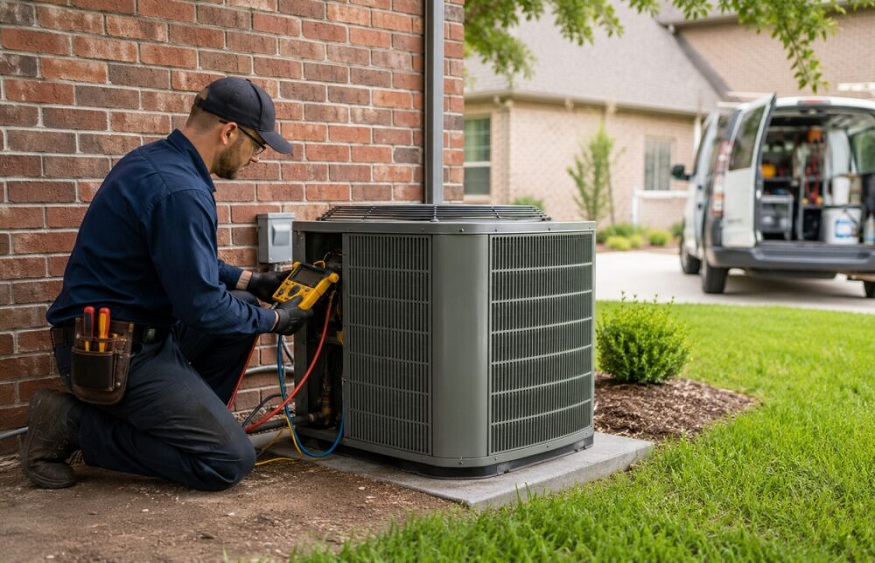
Professional Wylie HVAC services for local homeowners can help assess how heating, cooling, ventilation, and indoor air quality systems work together. Looking at the entire system rather than one component can make it easier to identify the real cause of uneven temperatures, weak airflow, or poor indoor comfort.
Temperature Control Starts With Consistent Airflow
Heating and cooling equipment relies on steady airflow to move conditioned air throughout the home. Even a well-maintained furnace or air conditioner may struggle if vents are blocked, filters are dirty, or ducts are restricting air movement.
Read More : How Furnace Replacement Improves Heating Performance During Winter
Homeowners should pay attention to rooms that regularly feel warmer or colder than others. Uneven temperatures can sometimes indicate an airflow problem rather than a fault with the heating or cooling unit itself. In these situations, Wylie HVAC services for local homeowners can help identify whether ductwork, airflow, or another system component is affecting comfort.
Indoor Air Quality Influences Everyday Comfort
Temperature alone does not determine whether a room feels comfortable. Dust, stale air, excess humidity, and poor ventilation can make indoor spaces unpleasant even when the thermostat displays the desired temperature.
If indoor air feels stuffy or certain rooms develop persistent odors, the problem may involve ventilation, filtration, moisture, or ductwork. A professional HVAC inspection can help determine which part of the system needs attention rather than relying only on thermostat adjustments.
Heating Performance Affects the Whole Home
A heating system should provide steady warmth without leaving major temperature differences between rooms. If certain areas remain cold while others become too warm, the problem may be related to airflow, duct design, thermostat operation, or equipment performance.
Homeowners can begin with simple checks. Make sure vents are open, filters are clean, and furniture is not blocking air returns. If the problem continues, a technician can inspect the system and determine whether maintenance or repair is needed.
Cooling Helps Control Temperature and Moisture
Air conditioning lowers indoor temperature and also removes some moisture from the air during normal operation.
If rooms remain warm or feel unusually humid while the system is running, something may be affecting performance. Restricted airflow, dirty components, thermostat problems, or mechanical faults can all reduce cooling effectiveness.
Ventilation Supports Fresher Indoor Air
Without adequate ventilation, odors, moisture, and airborne contaminants can remain inside the home for longer periods.
However, ventilation must work alongside heating and cooling. Bringing large amounts of untreated outdoor air inside can increase the demand on HVAC equipment. A balanced approach helps maintain fresh indoor air without creating unnecessary temperature changes.
Air Filters Support System Performance
Filters help capture airborne particles while allowing air to move through the HVAC system. When a filter becomes heavily clogged, airflow can decrease and the equipment may need to work harder to maintain the desired temperature.
Check the filter regularly and replace it according to the system manufacturer’s guidance. If a new filter appears to reduce airflow significantly, ask a qualified technician whether it is suitable for the equipment.
Humidity Can Change How a Room Feels
Heating and cooling systems influence indoor humidity, but some properties may need additional moisture control. Persistent condensation, excessive dryness, or a heavy indoor feeling may be signs that humidity needs closer attention.
The Thermostat Coordinates Heating and Cooling
The thermostat tells the HVAC system when heating or cooling is needed. If it is incorrectly set, poorly positioned, or malfunctioning, the system may cycle too often or fail to maintain consistent temperatures.
Thermostats should ideally be located away from direct sunlight, strong drafts, and heat-producing appliances. These conditions can affect temperature readings and cause the system to respond unnecessarily.
Regular Maintenance Keeps Systems Working Together
Heating, cooling, airflow, and indoor air quality all depend on equipment operating correctly. Routine maintenance gives a technician an opportunity to check filters, controls, moving components, drainage, airflow, and other important areas.
Homeowners can also help by keeping vents clear, replacing filters when needed, and watching for changes in noise, airflow, temperature, or operating time. Small changes can provide useful warning signs before a more serious problem develops.
Final Thoughts
Heating, cooling, ventilation, humidity, and indoor air quality are closely connected. A problem in one area can affect comfort throughout the home, which is why changes in airflow, temperature, moisture, or air freshness should not be ignored.
Read More : What Happens When You Skip Dehumidification In An Indoor Pool?
Regular maintenance, simple household checks, and timely professional attention can help the entire HVAC system work more effectively and maintain comfortable indoor conditions throughout the year.