How Furnace Replacement Improves Heating Performance During Winter
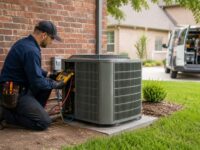
When temperatures drop, a dependable furnace becomes one of the most important systems in your home. Reliable heat keeps your family comfortable, protects your pipes from freezing, and helps maintain healthy indoor air. But as a furnace ages, it slowly loses its ability to deliver that comfort efficiently.
If your heating system is struggling, furnace replacement may be the smartest investment you make before winter. A modern system can transform your home heating performance, improving efficiency, evening out temperatures, and reducing the stress of unexpected breakdowns. Here’s how upgrading makes a difference.
Why Older Furnaces Struggle During Winter
Components degrade, airflow becomes less consistent, and the system has to work harder to produce the same amount of heat.
Read More: The Renovation Roadmap: Exactly When to Paint to Avoid Damage from Other Trades
That extra strain leads to reduced efficiency and uneven heating, leaving some rooms warm while others stay chilly. Older furnaces are also far more likely to break down during cold weather precisely when you depend on them most. An aging system can drive up costs and compromise both comfort and indoor air quality.
Improved Winter Heating Efficiency
One of the biggest advantages of replacing an outdated unit is better winter heating efficiency. Modern furnaces are engineered to use fuel and electricity far more effectively than systems built even a decade ago.
Advanced heating technology such as variable-speed blowers and sealed combustion allows newer units to deliver steady warmth while consuming less energy. The result is lower utility bills and a system that does more with less, even during the coldest stretches of the season.
Better Home Heating Performance
Comfort isn’t just about heat, it’s about consistent heat. A new furnace distributes warm air more evenly, eliminating the cold spots that plague older systems.
You’ll notice faster, more reliable heating throughout the home, with fewer fluctuations between rooms. Instead of waiting for a tired furnace to catch up, a modern unit reaches and holds your desired temperature with ease.

Benefits of High-Efficiency Furnace Installation
A high-efficiency furnace installation takes these advantages even further. Efficiency is measured by AFUE (Annual Fuel Utilization Efficiency), and today’s high-efficiency models often reach ratings of 90% or higher, meaning the vast majority of the fuel they use is converted directly into heat.
Enhanced Comfort and Performance
Higher AFUE ratings translate into better energy utilization, quieter operation, and more dependable comfort all winter long.
Environmental Benefits
By reducing energy waste, a high-efficiency system also lowers your carbon footprint. You stay warm while using fewer resources, a win for both your budget and the environment.
Reduced Repairs and Greater Reliability
At a certain point, ongoing repairs cost more than the long-term value of a replacement.
A new furnace dramatically reduces the likelihood of unexpected breakdowns during peak heating season. That reliability brings real peace of mind, knowing your home will stay warm when you need it most.
Signs It May Be Time to Upgrade an Old Furnace
Not sure whether to repair or replace? These signs often indicate it’s time to upgrade an old furnace rather than keep patching it:
- Frequent repairs that seem to happen every season.
- Rising energy bills without any change in usage.
- Uneven heating or persistent cold spots.
- Excessive noise such as banging, rattling, or humming.
- Age, especially if your furnace is approaching or has passed 15 to 20 years.
If several of these apply, replacement is usually the more cost-effective long-term choice.
Why Professional Furnace Replacement Matters
A furnace only performs as well as its installation. Proper system sizing is essential, an oversized or undersized unit can waste energy and shorten its lifespan. Professional installation ensures correct sizing, safe ductwork connections, and optimal efficiency from day one.
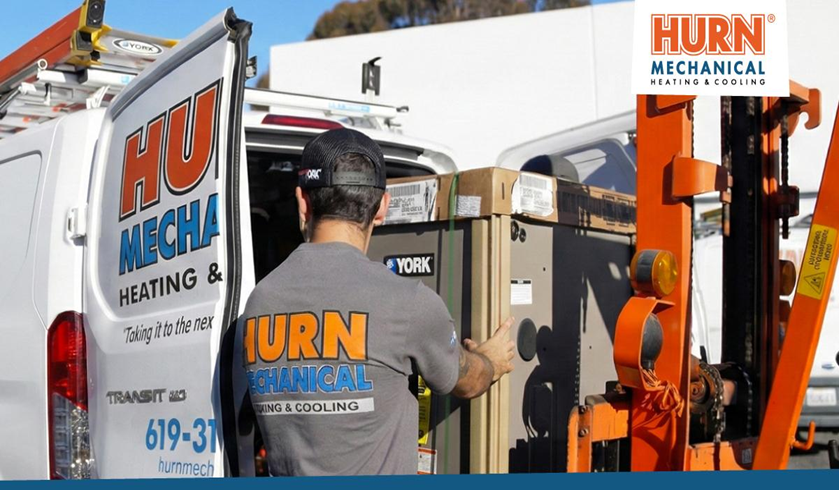
With years of experience in furnace replacement and high-efficiency furnace installation, Hurn Mechanical helps homeowners select and install systems suited to their specific heating needs.
Conclusion
A reliable, efficient furnace is the foundation of a comfortable winter. By replacing an aging system, you gain improved home heating performance, consistent temperatures, lower energy costs, and fewer disruptive repairs. The best time to evaluate your furnace is before harsh winter conditions arrive, not in the middle of a cold snap. If your system is showing its age, consider an upgrade now so you can enjoy dependable warmth all season long.
Frequently Asked Questions
- How do I know if I should repair or replace my furnace?
Consider replacement if your furnace requires frequent repairs, your energy bills keep climbing, you notice uneven heating, or the unit is 15 to 20 years old. When repair costs begin to rival the value of a new system, furnace replacement is usually the wiser investment.
- Does furnace replacement really improve winter heating efficiency?
Yes. Modern furnaces use advanced technology to convert more fuel into usable heat, which improves winter heating efficiency and lowers utility costs.
- What are the benefits of a high-efficiency furnace installation?
A high-efficiency furnace installation offers higher AFUE ratings, lower energy consumption, more consistent indoor temperatures, quieter operation, and reduced environmental impact, all of which contribute to better home heating performance throughout winter.
Read More: The Ultimate Home Plumbing Maintenance Checklist: How to Prevent Costly Water Damage